
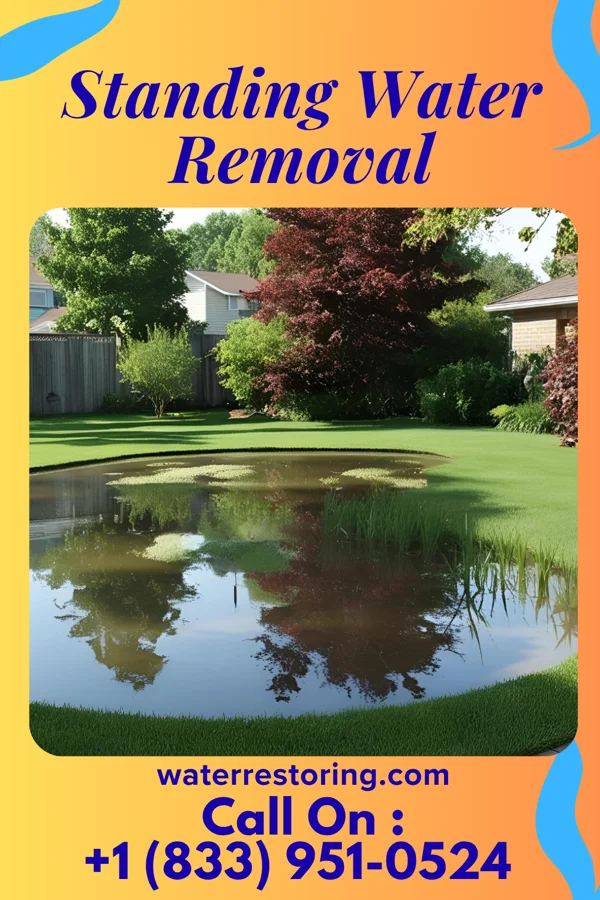
Lynch Standing Water: What Owners Should Know
Residential or commercial, water damage emergencies in Lynch keep coming back to the same drivers. In Lynch, Nebraska, the primary water damage causes are often related to agricultural runoff, leaking septic tanks, and burst water lines in rural homes. The area's flat terrain and proximity to farmland increase the risk of water accumulation during heavy rains or snowmelt. sits at the top of the list. A close second is Secondary causes include faulty plumbing in older homes, clogged gutters leading to roof leaks, and flooding from nearby rivers or streams. The rural setting also means that water can pool in low-lying areas, affecting multiple properties simultaneously..
Lynch experiences a semi-arid climate with dry summers and cold, snowy winters. While the area is not prone to frequent flooding, the combination of heavy spring rains and thawing snow can lead to sudden water intrusion in homes and buildings.
Water damage in Lynch follows a few local patterns. In Lynch, Nebraska, the primary water damage causes are often related to agricultural runoff, leaking septic tanks, and burst water lines in rural homes. The area's flat terrain and proximity to farmland increase the risk of water accumulation during heavy rains or snowmelt. accounts for the bulk of our calls. Lynch experiences a semi-arid climate with dry summers and cold, snowy winters. While the area is not prone to frequent flooding, the combination of heavy spring rains and thawing snow can lead to sudden water intrusion in homes and buildings. Mold growth in Lynch can quickly become a serious issue due to the region's cold, damp springs and the presence of older, poorly insulated homes. Prompt water damage restoration is crucial to prevent long-term structural and health issues.